








Prosthetics for Stage
Designing Prosthetics That Perform Live
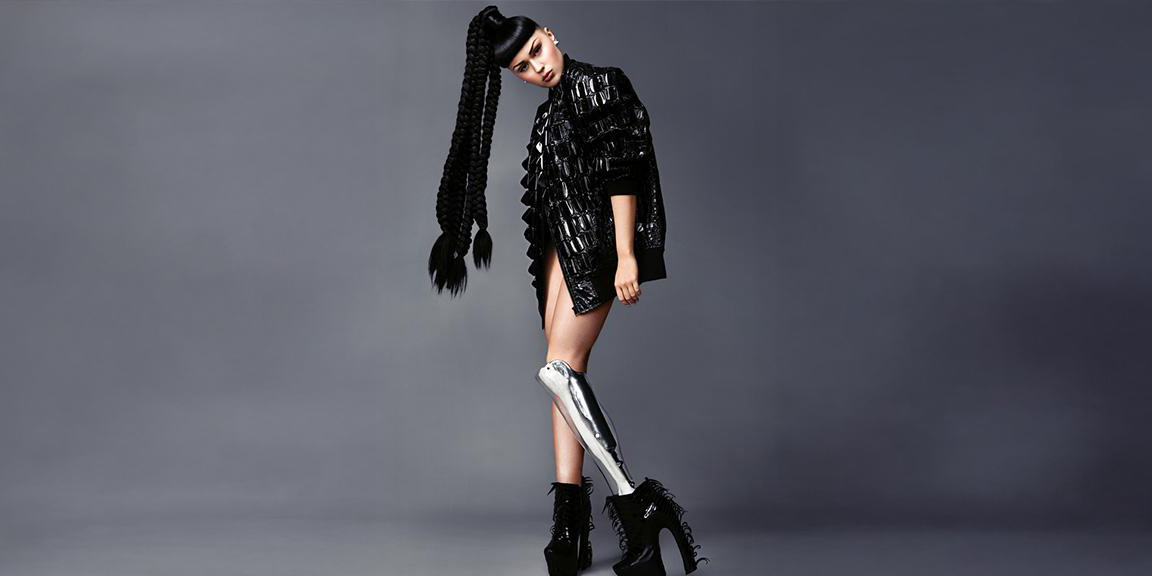
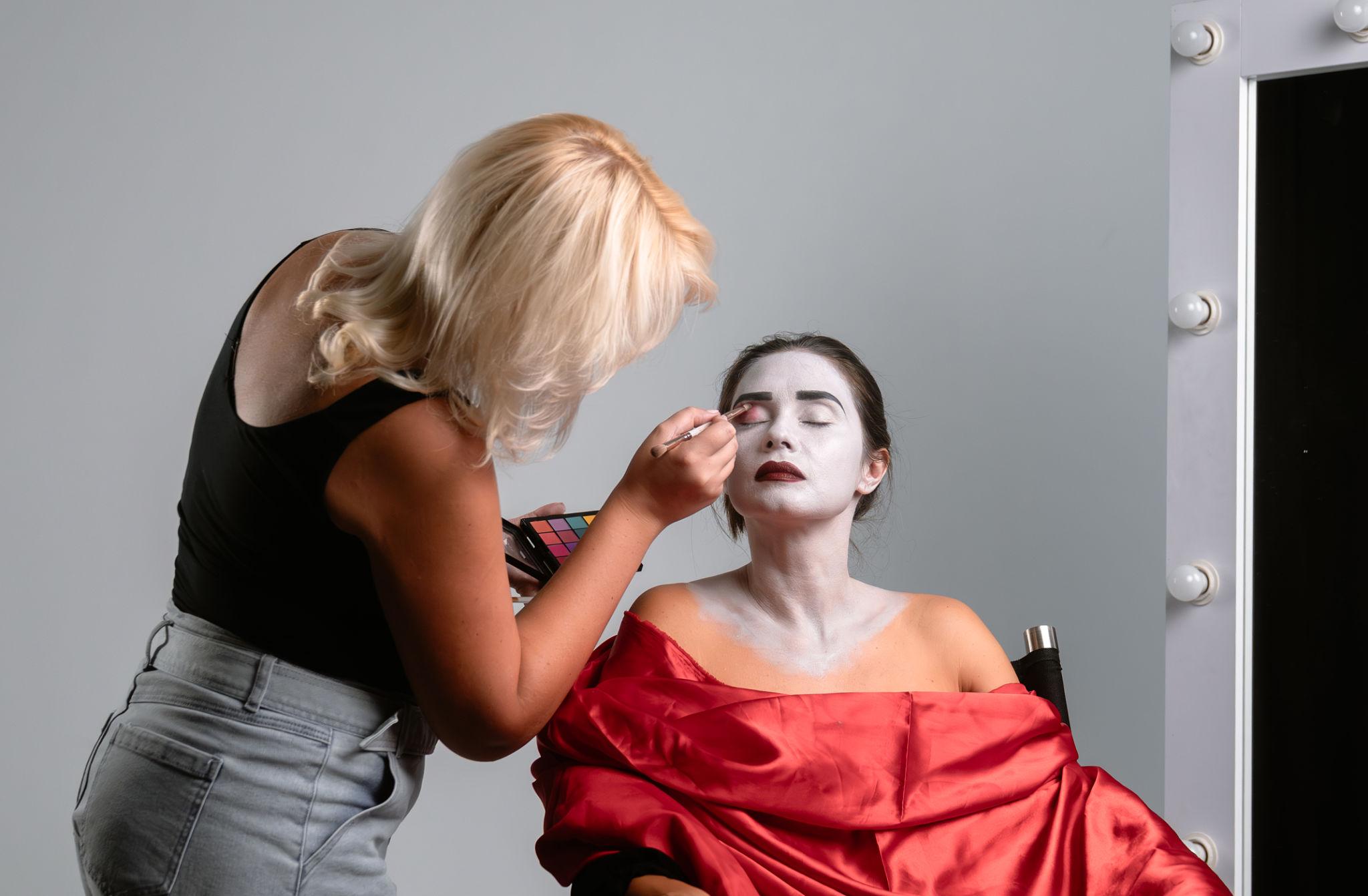
Stage prosthetics require a completely different approach to film or photography makeup. Under strong lighting and viewed from a distance, every shape, shadow and texture must communicate clearly to the audience whilst remaining durable enough to survive live performance conditions. The process begins with understanding the character rather than simply designing makeup. Age, emotion, physicality and movement all influence how prosthetics should sit on the face and body. In theatre, subtle realism often needs to be pushed further so characters remain expressive and visually readable from every part of the auditorium. Comfort and flexibility are equally important. Performers need to move, sweat and perform naturally without breaking the illusion. Successful prosthetic work for stage balances realism, structure and practicality so the actor can fully embody the role throughout every performance.
The Relationship Between Makeup and Performance
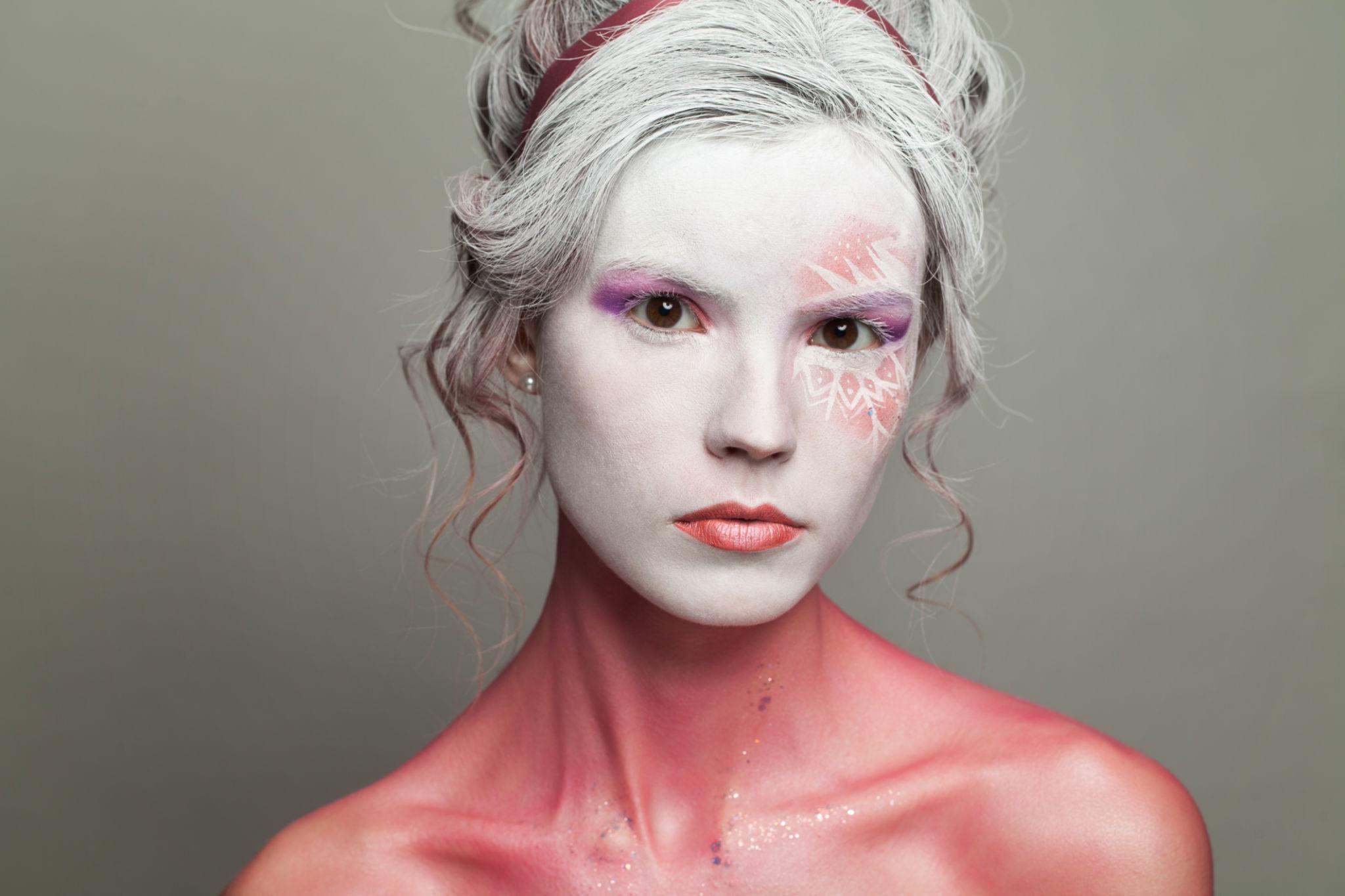
Lighting plays a major role in theatrical prosthetic design. Colours can shift dramatically under stage lights, whilst fine details that work on camera may disappear completely. This means contour, texture and silhouette become essential tools in helping the makeup read effectively during live performance. Theatre prosthetics are also highly collaborative. Makeup artists work closely with costume designers, directors and performers to ensure the final character feels cohesive within the wider production. The strongest transformations happen when makeup becomes part of the storytelling rather than simply decoration. What makes prosthetic stage work so exciting is the ability to completely reshape identity in front of a live audience. Whether creating ageing effects, fantasy creatures or stylised characters, prosthetics allow performance and visual design to merge into one immersive theatrical experience.