





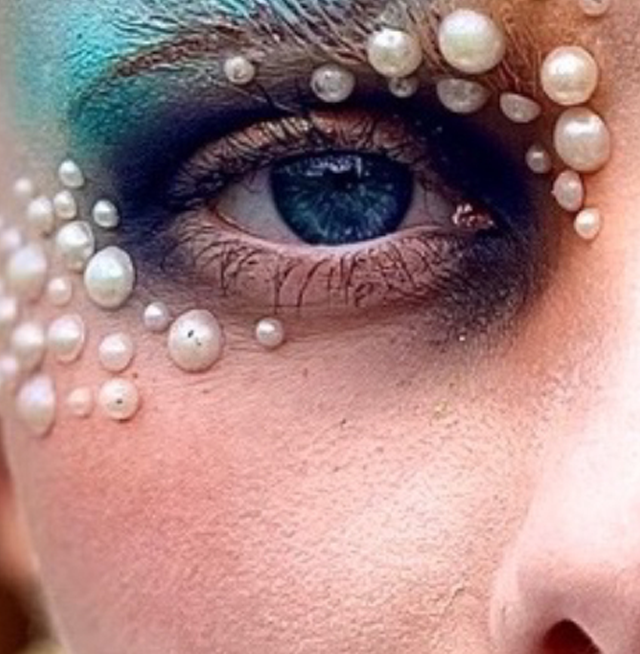
The Future of Body Transformation
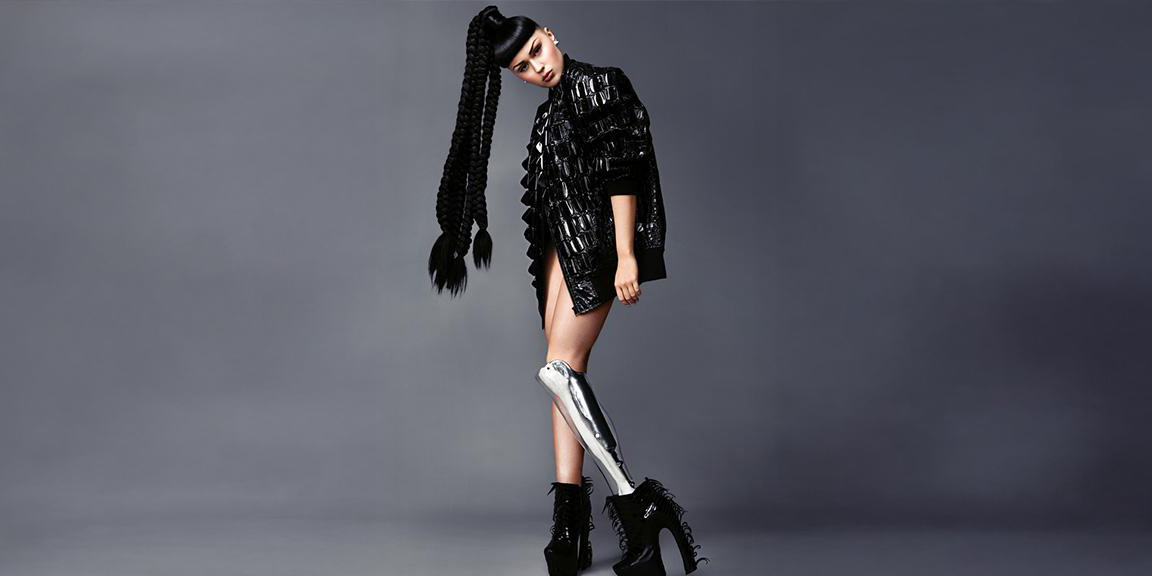
Redefining Human Identity Through Design
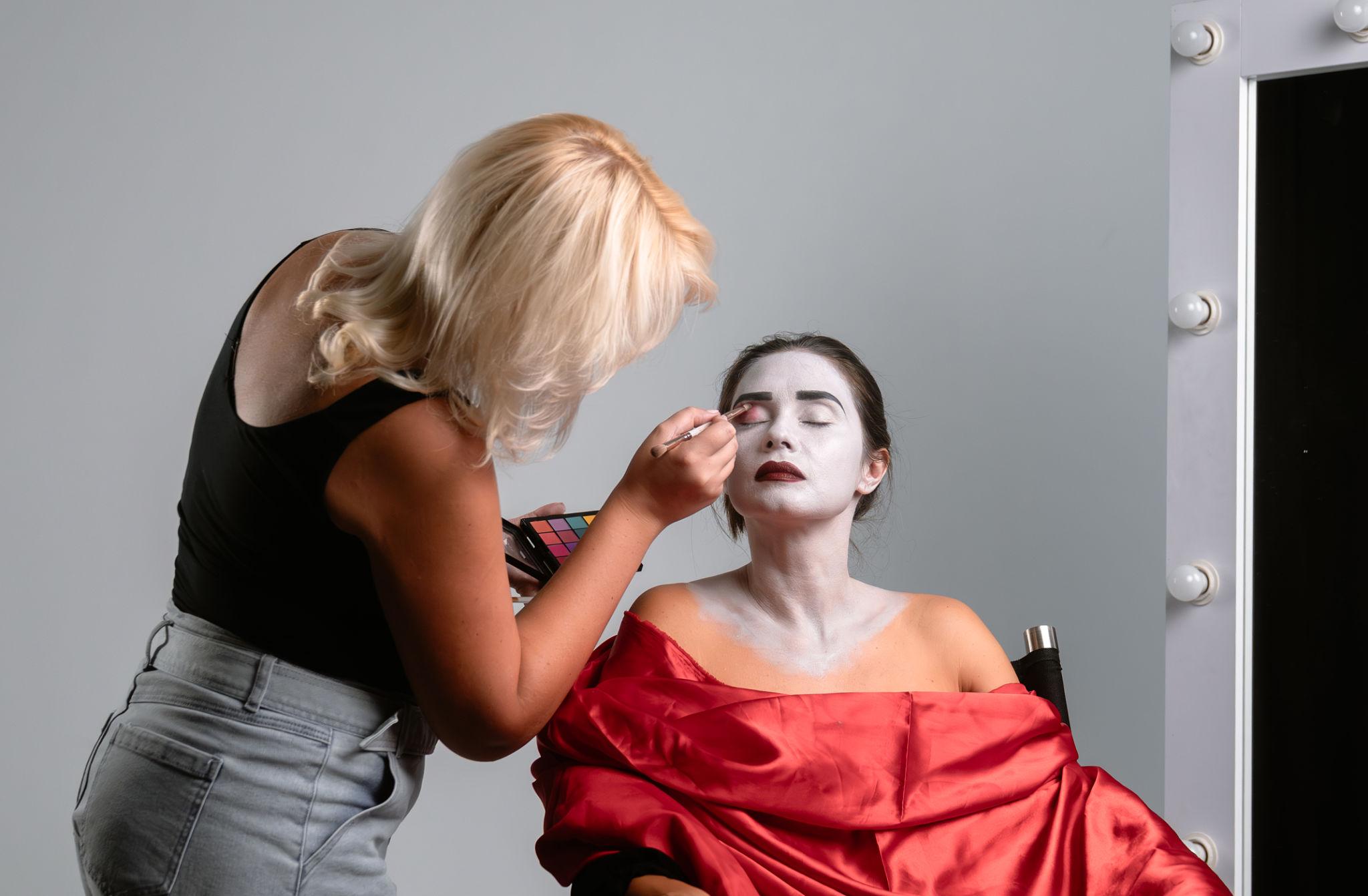
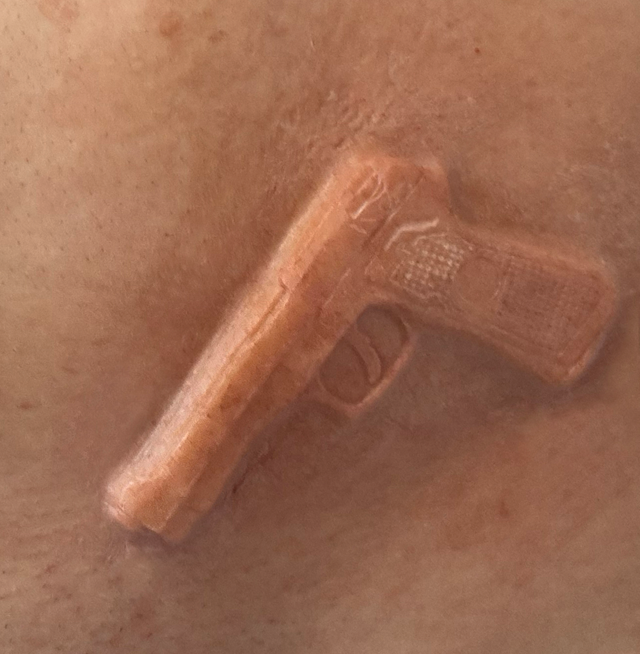
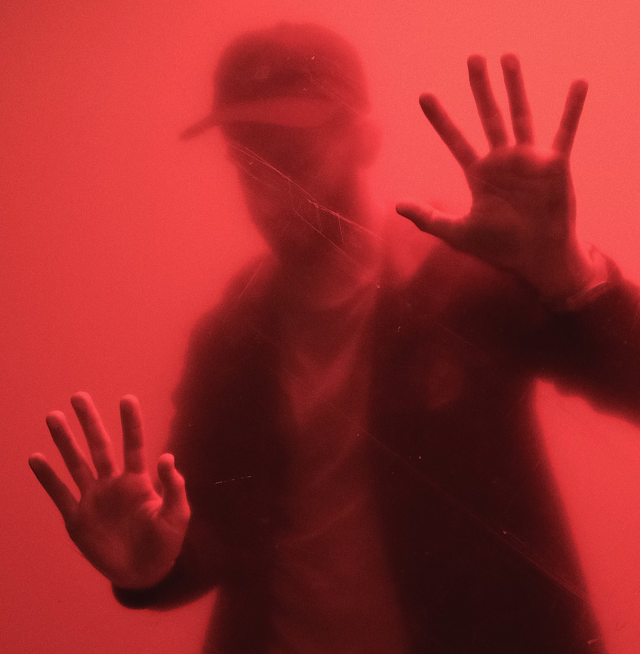
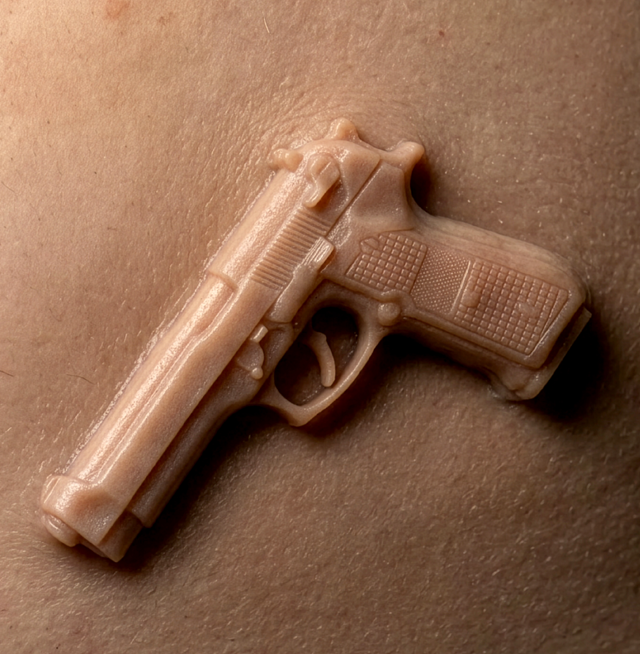
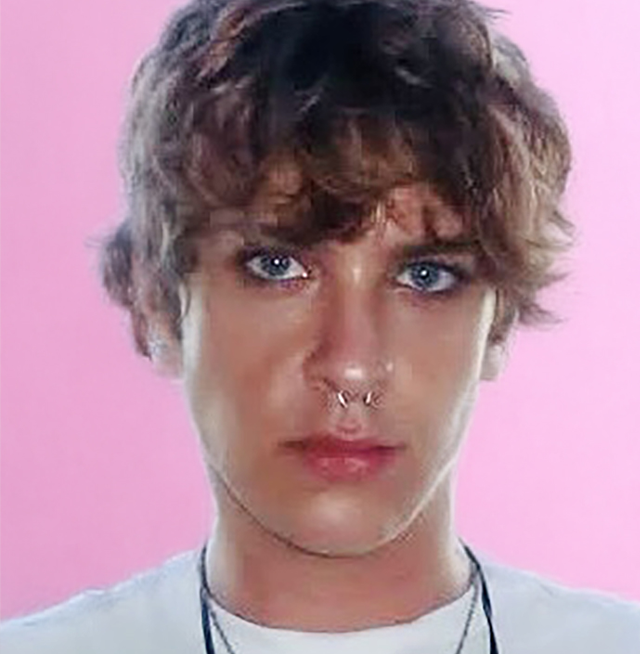
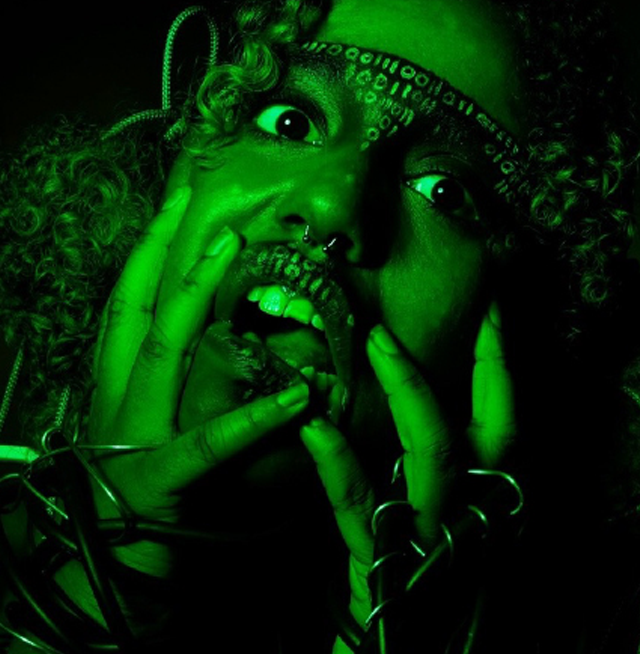
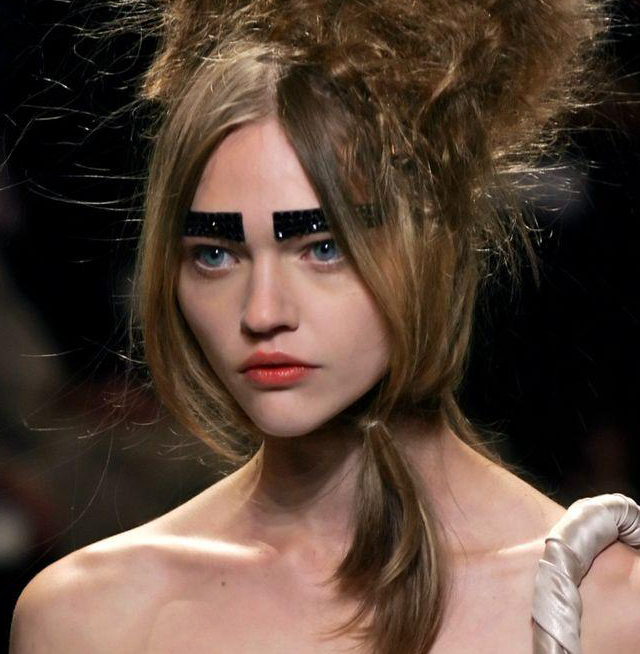
Body transformation is evolving far beyond traditional special effects makeup. Prosthetics, fashion and digital culture are increasingly merging together, allowing artists to reshape identity through visual design, texture and form. What was once considered costume is now becoming a new form of personal expression. Contemporary prosthetic work exists across fashion editorials, live performance, music culture and conceptual photography. Artists are using transformation not just to create characters, but to challenge ideas around beauty, identity and physical appearance. Prosthetics are becoming tools for storytelling, experimentation and emotional expression. Avant garde fashion has helped drive this shift forward by constantly challenging conventional ideas of the body. Distorted silhouettes, sculptural forms and exaggerated facial structures are no longer restricted to fantasy cinema. They are now part of modern visual culture.
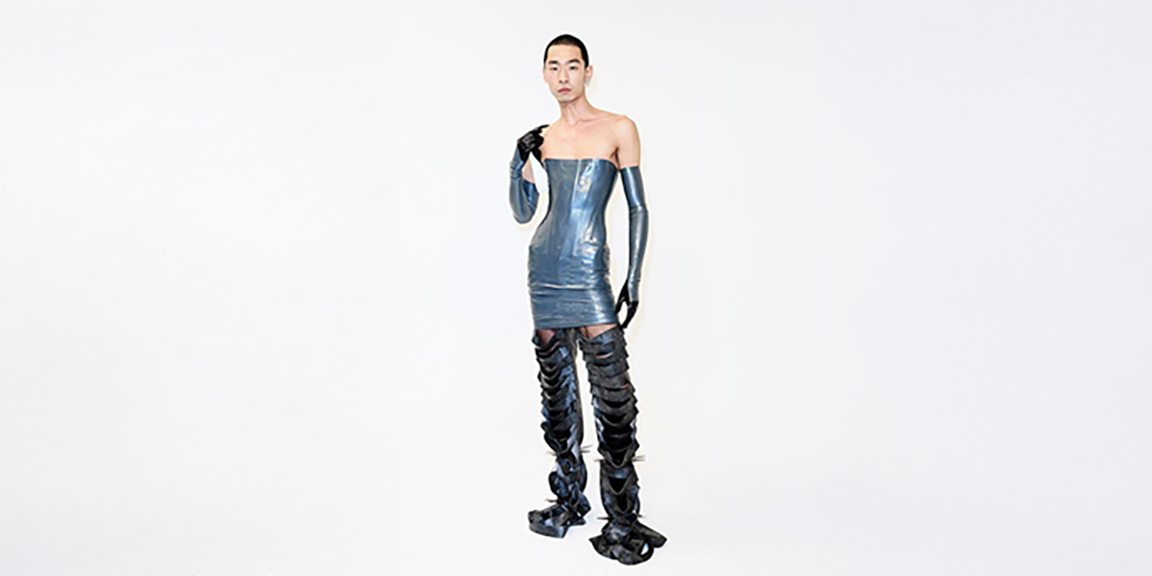
Technology, Fashion and the Future Human
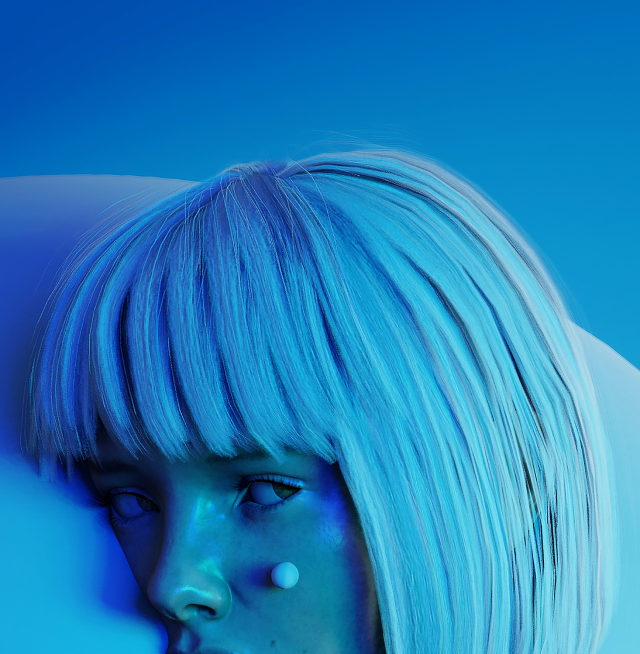
Technology is rapidly changing how people interact with identity and appearance. Artificial intelligence, digital avatars and virtual environments are creating a generation increasingly comfortable with fluid visual identities and altered forms of self expression. As fashion, prosthetics and digital design continue to overlap, makeup artists are becoming more than technicians. They are becoming designers of future identities, helping shape how people visually exist across physical and digital spaces. What makes body transformation so powerful is its psychological impact. Altering the appearance of the body changes movement, confidence and behaviour. Transformation is not simply about hiding reality. It is about expanding it.